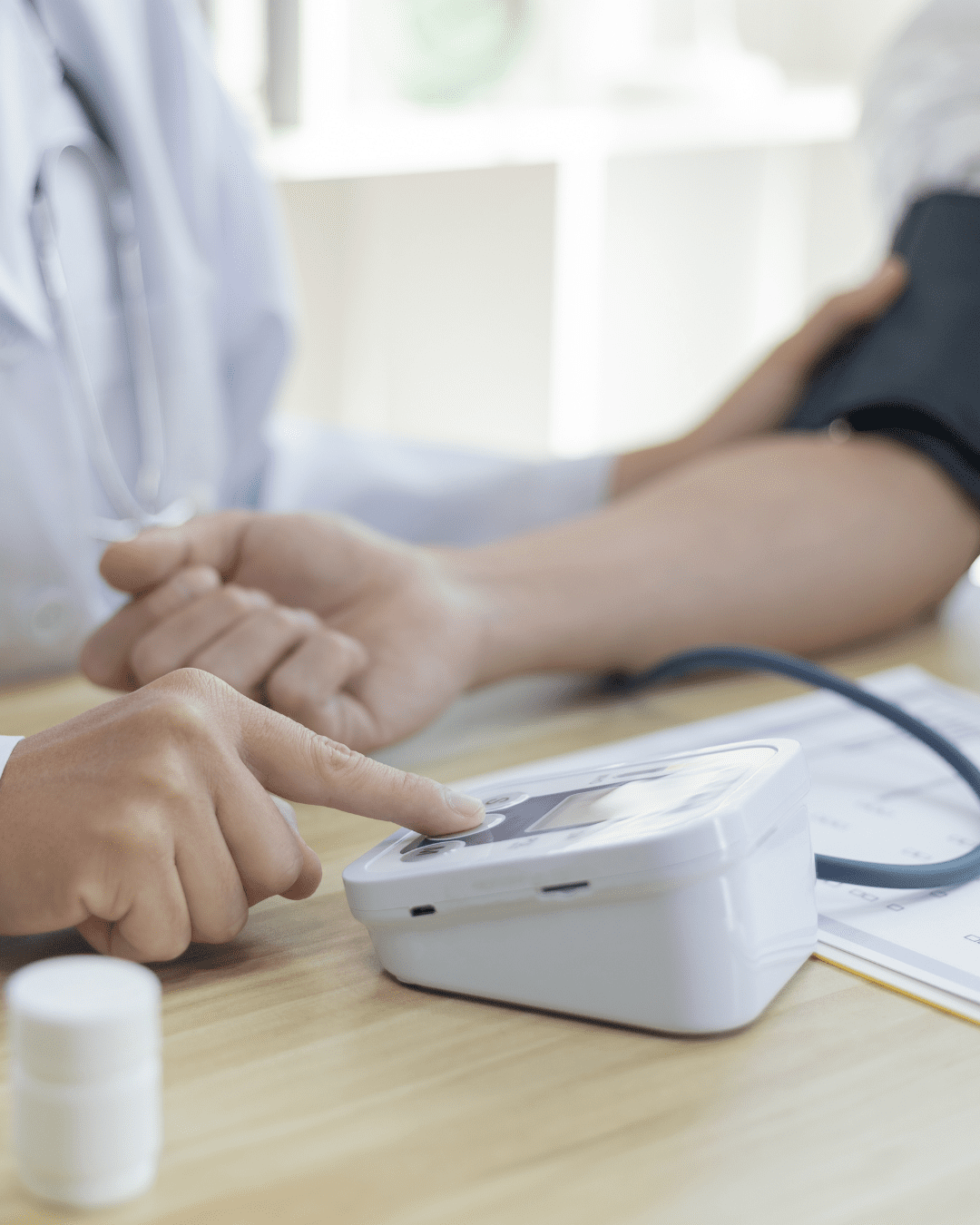

Understanding High Blood Pressure (Hypertension)
High blood pressure, also called hypertension, is one of the most common health conditions worldwide. It’s often called the “silent killer” because it may not show any symptoms for years, yet it can lead to serious complications if left untreated. The good news? With proper care, lifestyle changes, and regular check-ups, hypertension can be controlled.
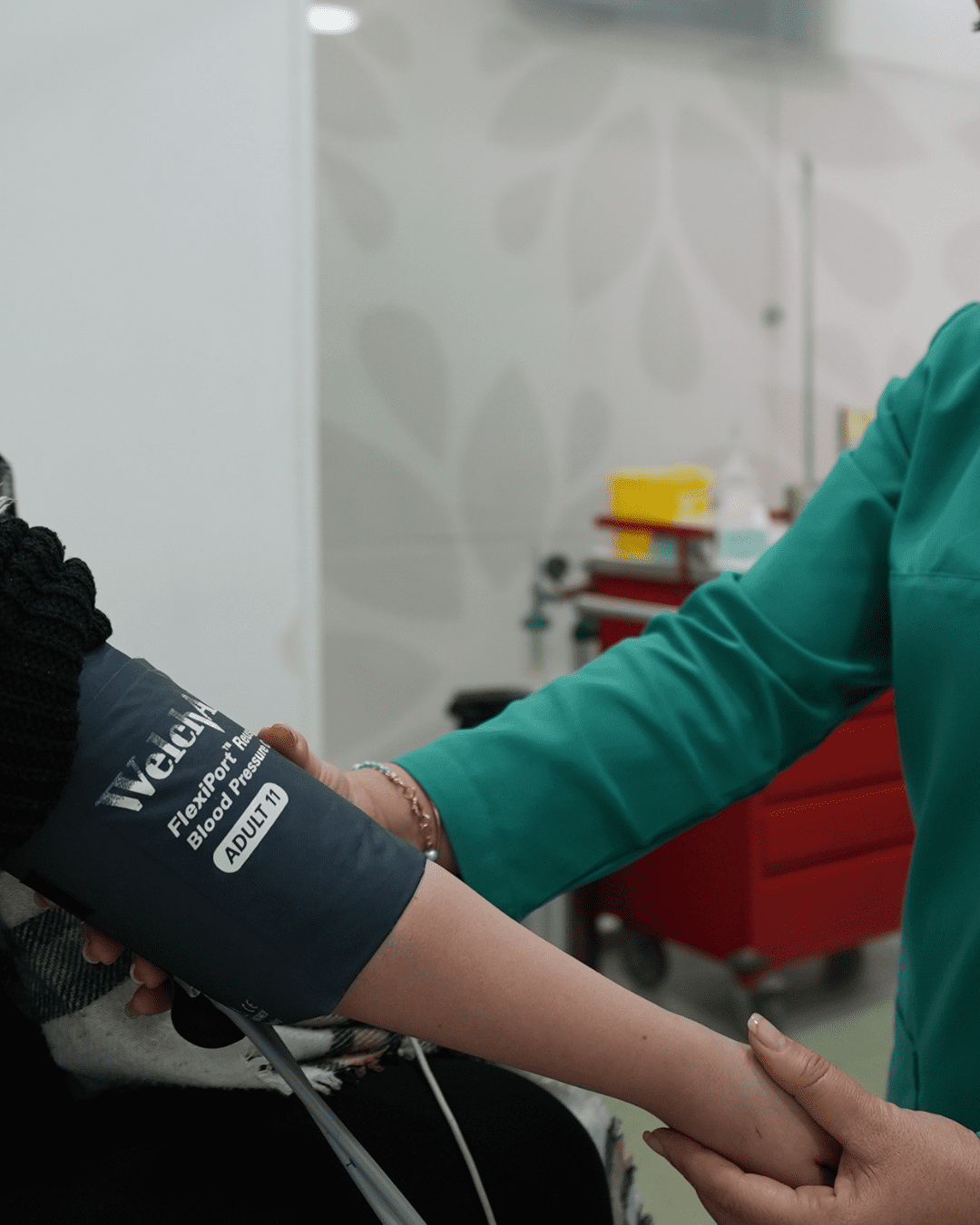
What Is High Blood Pressure?
Blood pressure measures the force of blood pushing against the walls of your arteries.
Normal blood pressure: Below 120/80 mmHg
Elevated blood pressure: 120–129/<80 mmHg
Hypertension (Stage 1): 130–139/80–89 mmHg
Hypertension (Stage 2): 140/90 mmHg or higher
When blood pressure stays high over time, it strains the heart, arteries, and other organs.
Common Causes and Risk Factors
Several factors can increase your risk of hypertension: Family history of high blood pressure Being overweight or obese Lack of physical activity High salt intake Smoking or excessive alcohol use Chronic stress Conditions like diabetes or kidney disease
Symptoms of High Blood Pressure
Hypertension is often symptomless, but some people may experience: Persistent headaches Dizziness or blurred vision Chest pain or shortness of breath Fatigue or confusion Nosebleeds (in severe cases) Because symptoms aren’t always obvious, regular check-ups are essential.
Why Hypertension Is Dangerous
Uncontrolled high blood pressure can lead to: Heart disease and heart attacks Stroke Kidney damage Vision problems Vascular disease
How to Manage and Prevent Hypertension
Adopt a healthy diet (reduce salt, eat more fruits and vegetables)
Exercise regularly (at least 30 minutes, 5 days a week)
Maintain a healthy weight
Avoid smoking and limit alcohol
Manage stress with relaxation techniques
Take prescribed medications if advised by your doctor
Get regular check-ups to monitor your blood pressure